A Life After Sports: What’s Next?
By Colette Stone, Spring 2023 Intern
At some point in every athlete's career, the journey must come to an end. Whether it is voluntary or involuntary, an athlete must make a transition to a life after competition. For many, this journey ends after graduating high school. According to the National Federation of State High School Associations (NFHS), only 6% of high school athletes will go on to play with the National Collegiate Athletic Association (NCAA). That means 94% of high school athletes are left to figure out a life without sports.
“There is no more schedule. It is really hard at first because there is no one to hold you accountable, no team that you spend every moment with, and no structure to your daily life,” said Michael Palumbo, a former NYSPHSAA Student-Athlete Advisory Committee (SAAC) member and former cross country, indoor, and outdoor track and field varsity athlete at Pittsford-Mendon High School (Section V).
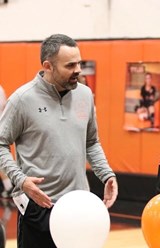 “It’s hard to see the big picture when you are in the moment,”
-Jason Mehan, Varsity Girls Basketball Coach, Schuylerville HS
“It’s hard to see the big picture when you are in the moment,”
-Jason Mehan, Varsity Girls Basketball Coach, Schuylerville HS
Being a part of a high school athletic team provides athletes with a purpose, belonging, structure, social connection, and an identity. The University of Michigan's
Life After Sports Initiative determined that this is what athletes lose after leaving their life in sports. This creates an identity crisis for many newly retired athletes and they must find a way to cope then move on from this chapter of their lives.
“Students are coming to class late, missing assignments, and not studying. These are the same students who are searching for their identity,” explains Scott Sugar, an Athletic Administrator at Fayetteville-Manlius School District (Section III). “Traits like this are noticeable as soon as the season is over.”
What makes this transition even more difficult is the lack of awareness created for athletes. Former NYSPHSAA SAAC member and current NCAA Division 1 student athlete at Wofford College, Carlie Cutinella, is one athlete who has recognized this.
“No one talks about it,” says Cutinella. “Everyone is focused on the right now. Transitioning to a life after sports is not discussed in high school. There’s no awareness and that’s scary. I wish more people talked about the mental toll of transitioning”.
This difficult transition happens due to the nature of sport. Participating in sports becomes a routine for athletes in their daily life. Some athletes spend years competing, putting time into club or travel teams and private coaching lessons. In this case, many athletes do not know anything else besides a life of competing in athletics. Sports require dedication, which leaves very little time to explore other passions, clubs, extracurricular activities, and jobs. The identity of an athlete is established. When sports have been a part of life for such a long time, for it to no longer exist, it may feel like an athlete is losing a piece of themselves.
“You go from being with your team for 5-6 days in a week to a complete blank state in routine,” Palumbo claims. “It is a big jump for teenagers to try and navigate.”
Jason Mehan, Varsity Girls Basketball Coach at Schuylerville High School (Section II), remembered his own transition out of competing as the athlete. “Deciding not to play baseball in college, I struggled in the beginning with academics and health,” states Mehan. “When you play three sports and have practices and games all year, then you have no sport responsibilities, it can really throw a person off.”
Not only is this a reality for high school athletes but also college athletes. When an athlete gets the opportunity to further their athletic careers for four additional years at a more intense level of play, it is simply deferring the inevitable transition.
“I live with teammates and sometimes I would look at the clock and think about how I would be at practice right now,” said Emily Harrigan, a former soccer player at the University of Pittsburgh who just began the transition process. “This needs to be talked about more and more resources need to be available to these athletes.”
For athletes, regardless of what level of play they are at, studies have shown there are universal tips which can be used to help prepare and assist for a life after sports.
Learning to cope: The University of Michigan has developed a list of coping strategies to help with the transition process. Much of the strategies are mentally based to help condition the mind into living a life after sports. The strategies include remembering that sports do not define who you are, allowing yourself to experience the emotions surrounding the transition, setting goals, and working with someone to help determine an identity beyond an athlete.
“People don’t see me as the varsity runner anymore,” said Palumbo. “I had to take on my own identity, one that is beyond the athlete.”
Building a support system: Having a strong support system will allow for a smoother transition. Having people to aid in this process is important so former athletes know that they are not alone during transition. The University of Michigan shared ways to build a support system. These include identifying and connecting with friends or family willing to help with your future, discovering people outside of sport, and meeting with a counselor to talk through the transition effectively and efficiently. Athletes should not be afraid to reach out when struggling. Getting help is a sign of strength, rather than weakness.
Staying involved in sports: There are many ways former athletes can stay involved in sports without being the participant. Becoming a coach for a recreational or travel team keeps former athletes in the sport scene. One could also pursue a career in Sport Management, a field which surrounds the business of sports. This field encompasses a variety of sports related careers, including athletic administrator, analytics, sport venue manager, sports agent, youth sports coordinator, and Sport Information Director (SID). If leaving from sports is not due to an injury, there are ways to stay active, and even compete. Going to the gym is a great alternative, or getting involved in running by participating in races, such as 5K and 10K’s. Athletes can also become spectators of professional, collegiate, or high school teams and attend various games. This is a good way to meet people outside of the group of friends which are former teammates.
In the transition process, Palumbo found this tip very important for his life. He found a way to stay in sports without competing. For example, one of Palumbo’s majors is Sport Administration and he handles the social media for sport teams at his school. These activities allow Palumbo to be involved in sports without having that identity of an athlete.
“I started to pick up hobbies related to athletics, such as working out, engaging in personal training, and yoga,” Harrigan explains. “Staying busy helped me from dwelling on the past. It is now about focusing on the future, being in the present, and using what you learned in the past to improve your present.”
Transfer skills learned from sports into other career paths: Participating in sports provides athletes with skills that can be used in other aspects of life. The University of Michigan determined some of the skills include teamwork, leadership, accountability, goal setting, adaptability, work ethic, drive, time management, prioritization, self-discipline, ability to perform in high pressure situations, effective communications, and conflict resolution.
“There are lessons in high school sports,” said Palumbo. “They teach you hard work, dedication, passion, and resilience.”
Discover a new passion: While easier said than done, finding a new passion can fill the void left from the absence of being an athlete. This transition period is a good time to try out different activities which athletes may not have had the time to participate in with sports on their plate. This may include creating art, learning an instrument, or traveling.
“Try to branch outside of sport to find passion,” said Cutinella. “These activities help to find purpose”. For example, she engages in yoga and internships to help separate her life from competing in athletics.
“It is important to take the drive and determination that was focused into a sport and put that into something else,” says Mehan.
Sugar explains another strategy which can be used to help the transition process to a life after sports. He calls it “finding an end game”. This strategy involves former athletes being realistic about themselves and start understanding early that the odds are against them. Realistically, only 6% of high school athletes will go on to play in college athletics. Understanding this early can allow for the transition process to be smoother, since the reality of continuing athletics is already known. These students can use this opportunity to discover an endgame not relating to being an athlete.
All athletes will eventually face the transition process into a life after sports. It may be difficult and confusing for some, but with the correct course of action, it is a road that can be navigated.
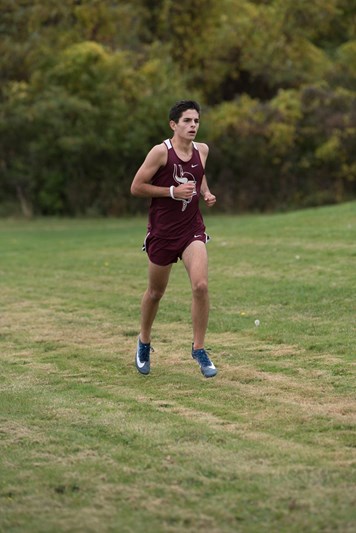
Michael Palumbo
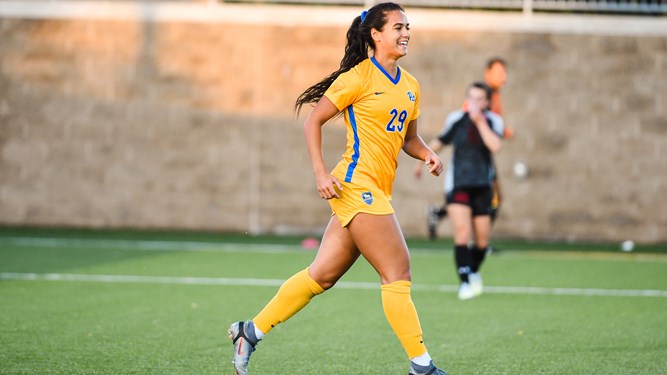
Emily Harrigan
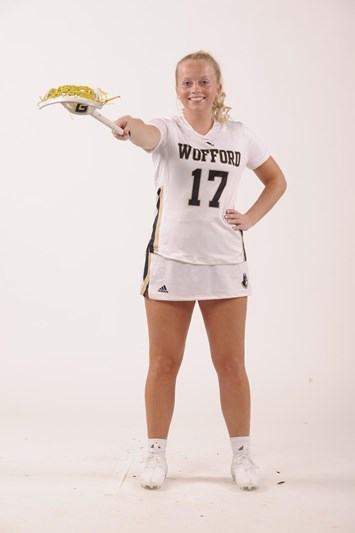
Carlie Cutinella